Kling O3 The most realistic people for ads

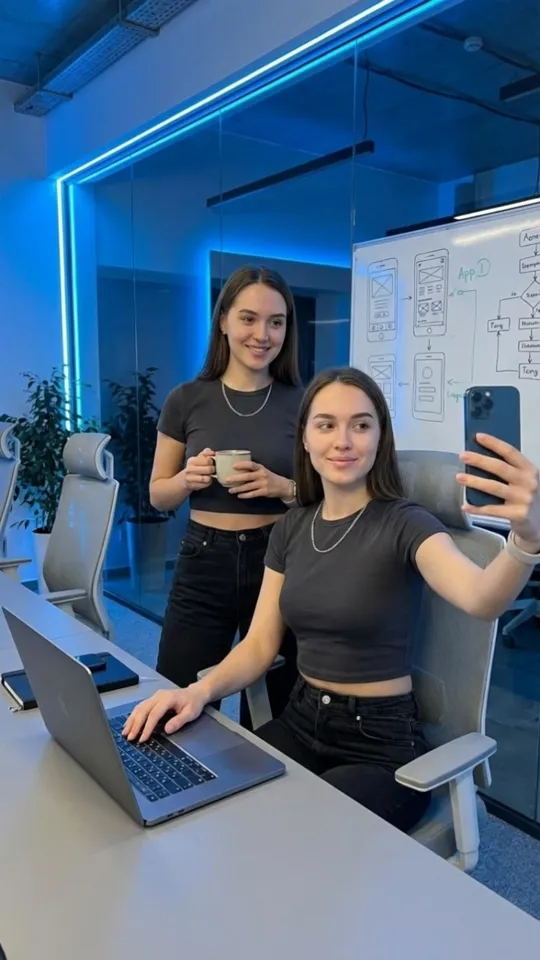
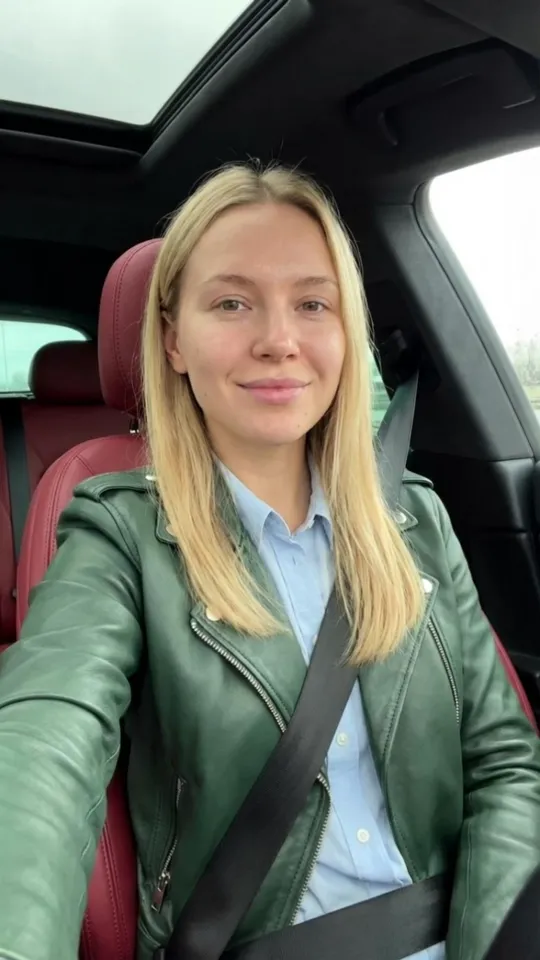
The AI video model with the highest human realism score. Kling O3 generates realistic talking heads, UGC-style presenters, and multi-person scenes for ads that need a human face.

Avg quality

8.3/10

Gen speed

7.5/10

Cost efficiency

7.0/10

Try Now

See Examples By Niche

All videos generated with start frames at 720p, 6s, 9:16 — raw AI output across 10 niches, same prompts used across models, no post-processing. Just compressed for web optimization.

AI-generated AI Influencers video example

Why Kling O3 for your ads

Ads with real people need a model that handles faces, motion, and expressions. Here is where Kling O3 leads based on real benchmark scores.

  • #1
    9.0/10Human Realism

    #1 Human Realism Score

    Scored 9.0/10 on human realism — the highest of any model tested. Facial expressions, skin tones, and lip sync look natural enough that viewers cannot immediately tell the difference from real footage. This is the model for people-focused ads.

  • 8.5/10Motion Score

    Natural Motion & Pacing

    With an 8.5/10 motion score, body movements, gestures, and camera tracking feel fluid and natural. Walking, talking, hand gestures, and head turns all maintain realistic pacing — critical for UGC-style ads that need to feel authentic.

  • 8.5/10Scene Consistency

    Consistent Multi-Person Scenes

    Scene consistency scored 8.5/10. Multiple people in a frame maintain their identity, position, and proportions across the full clip. Podcast setups, interview formats, and two-person dialogue scenes stay coherent without the morphing artifacts common in other models.

Kling O3 Performance Scores

See exactly how Kling O3 performs across the metrics that matter for real ad production — from human realism to cost per creative.

Product ShotsHuman RealismMotion & PacingScene ConsistencyPrompt AccuracyVisual Quality
8.3avg quality

Generation Speed

7.5/10

Cost Efficiency

7.0/10

Total Ad Score

7.6/10

Conclusion

If your ads feature people — talking heads, influencers, or UGC-style content — Kling O3 is the model to use. It scored 9.0 on human realism, the highest of any model we tested. Facial expressions, lip sync, and natural body movement all look convincing enough for paid social. For product-only shots without people, Veo 3.1 Fast delivers sharper detail at a similar price point.

Check Other Models

Not every model fits every ad type. Compare alternatives to find the right tool for your specific campaigns.

Veo 3.1 Lite

Veo 3.1 Lite

Google

Total Score8.1
View Model →
Veo 3.1 Fast

Veo 3.1 Fast

Google

Total Score7.0
View Model →
LTX 2.3 Pro

LTX 2.3 Pro

Lightricks

Total Score8.0
View Model →

Full Model Comparison

Side-by-side specs, scores, and pricing so you can pick the model that delivers the best ROI for your ad spend.

AI video model comparison — quality, speed, cost, and total scores
#ModelProviderQuality AvgSpeedCost Eff.TotalView
1Veo 3.1 LiteGoogle6.98.59.08.1View
2LTX 2.3 ProLightricks6.59.08.58.0View
3Kling O3Kuaishou8.37.57.07.6This page
4Veo 3.1 FastGoogle7.97.06.07.0View

Last updated: April 9, 2026

What Is Kling O3?

Kling O3 is an AI video generation model from Kuaishou, the Chinese tech company behind the Kwai short-video platform. While Google's Veo models dominate on product shots and cost efficiency, Kling O3 was built from the ground up for one thing: making AI-generated people look real.

It scores 9.0/10 on human realism — the highest of any model we tested. Facial expressions are nuanced, lip movements track naturally, skin tones look accurate, and body gestures feel fluid. It generates 4-8 second clips at up to 1080p in both 16:9 and 9:16 formats, at 9 credits per second.

For advertisers running UGC-style campaigns, AI influencer content, or any ad format where a person speaks to camera, Kling O3 is currently the best option available. The gap between Kling O3 and its nearest competitor on human realism (Veo 3.1 Fast at 7.5/10) is the largest quality gap across any metric we measured.

Best Ad Types for Kling O3

Kling O3's advantage is concentrated in one area: ads that feature people. Based on our benchmarks across 10 niches, here is where it leads — and where other models are a better fit.

UGC-style talking heads: This is Kling O3's primary use case. A person sitting at a desk, in a car, or on a couch speaking directly to camera — the format that dominates TikTok and Instagram Reels advertising. The model handles eye contact, natural pauses, head tilts, and hand gestures in a way that other models cannot match. This matters because UGC-style ads consistently outperform polished brand content on short-video platforms.

AI influencer and spokesperson content: If you need a consistent presenter across multiple ad variations without hiring talent, Kling O3 produces the most convincing results. Generate the same "person" delivering different hooks, testing different scripts, or promoting different products. The facial consistency across generations is strong enough for campaign-level use.

Podcast and interview clips: Multi-person scenes are where most AI models fall apart — faces morph, proportions shift, people blend into each other. Kling O3's 8.5/10 scene consistency score means two people sitting across from each other maintain their identity throughout the clip. This opens up podcast-style ads, interview testimonials, and dialogue-driven formats.

Where to use other models: Product-only hero shots without people — use Veo 3.1 Fast (8.5 product shots). Budget volume testing — use Veo 3.1 Lite (4 credits/sec vs Kling's 9). Abstract motion backgrounds and food close-ups also perform better on Veo models.


How to Create UGC-Style Ads with Kling O3

1

Define your presenter and setting

Before writing a prompt, decide who is speaking and where. A young woman at a desk with ring light? A man in a coffee shop? A fitness creator in a gym? The more specific you are about the person's appearance, clothing, and environment, the more realistic and consistent the output will be.

2

Write a scene-based prompt

Describe the scene as if you are directing a real shoot: "A woman in her late 20s with natural makeup, sitting at a clean white desk, speaking to camera with enthusiastic hand gestures, warm indoor lighting, ring light reflection in her eyes, casual creator setup, vertical 9:16 format." Include the emotion and energy level you want.

3

Generate 3-5 variations per hook

Each generation produces slightly different facial expressions, gestures, and pacing. Generate multiple versions of each concept and pick the one where the person's energy matches your ad goal. At 9 credits/sec, a batch of five 6-second clips costs about 270 credits — a fraction of hiring a real creator.

4

Add voiceover, text, and CTA

Kling O3 generates visual movement but not actual speech audio. Add your script as a voiceover track, then layer text overlays and CTAs in post-production. Tools like CapCut, Descript, or your ad platform's editor work well for this. The combination of realistic visual movement + custom voiceover creates a convincing UGC-style ad.

5

Test across platforms

Upload to TikTok Ads Manager, Meta Ads Manager, or Snapchat Ads. UGC-style content typically performs best on TikTok and Instagram Reels where native, person-led content blends with organic feed. Run 3-5 creative variations per ad set to find the strongest performer.

Prompting Tips for Kling O3 Ads

  1. Describe the person in detail. Age range, skin tone, hair style, clothing, accessories. “A man in his early 30s with a short beard, wearing a grey crew-neck t-shirt” produces more consistent, realistic results than “a man talking.” The model uses these details to build a coherent person.
  2. Specify the emotion and energy. “Speaking enthusiastically with wide eyes and animated hand gestures” vs “speaking calmly with a slight smile and slow nods” — Kling O3 handles emotional range well. Match the energy to your ad goal: high energy for hooks, calm authority for testimonials.
  3. Include eye contact direction. “Looking directly at the camera” creates a personal, UGC feel. “Looking slightly off-camera as if talking to an interviewer” creates a testimonial feel. Eye contact is one of the strongest trust signals in video ads, and Kling O3 handles it convincingly.
  4. Set the environment to match the niche. A creator at a desk with LED lights = tech/creator niche. A person in a sunlit kitchen = food/wellness niche. A woman at a vanity with soft lighting = beauty niche. The background context tells viewers what kind of content this is before the person even speaks.
  5. Use vertical 9:16 for social ads. Most UGC-style ads run on TikTok, Reels, and Stories — all vertical. Always specify “vertical 9:16 format” in your prompt. Generating in 16:9 and cropping cuts off the person's hands and environment, losing the authentic framing.
  6. Pair with a strong voiceover. The visual realism is only half the ad. Pair the generated video with a well-scripted voiceover that matches the person's apparent energy and demographic. AI voiceover tools or real voice recordings both work — the key is that the voice matches what the viewer sees.

Frequently Asked Questions

What is Kling O3?

Kling O3 is an AI video generation model from Kuaishou, the company behind the Kwai short-video platform. It specializes in generating realistic human content — talking heads, facial expressions, body movement, and multi-person scenes. It scores 9.0/10 on human realism, the highest of any model we tested.

What makes Kling O3 different from Veo models?

Kling O3 is purpose-built for people-focused content. While Google's Veo models excel at product shots and object-centric ads, Kling O3 leads on human realism (9.0 vs 7.5), motion pacing (8.5 vs 7.0), and scene consistency with multiple people. If your ad features a person speaking, gesturing, or interacting, Kling O3 produces more convincing results.

How much does Kling O3 cost?

Kling O3 costs 9 credits per second. A 6-second ad clip costs about 54 credits. This puts it between Veo 3.1 Lite (4 credits/sec) and Veo 3.1 Fast (11 credits/sec) in pricing. The cost is justified when your ad strategy depends on realistic human presenters.

Can Kling O3 create AI influencer content?

Yes — this is one of Kling O3's strongest use cases. The model generates realistic talking head videos where a person speaks directly to camera with natural facial expressions and lip movements. This makes it practical for creating AI influencer-style ads, UGC testimonials, and spokesperson content without hiring talent.

Kling O3 vs Veo 3.1 Fast — which is better?

It depends on what your ad features. If the star of your ad is a person (talking head, influencer, testimonial), use Kling O3 — its 9.0 human realism score is unmatched. If the star is a product (hero shot, close-up, rotation), use Veo 3.1 Fast — its 8.5 product shot and visual quality scores are better for object-focused content.

Can I use Kling O3 for TikTok and Instagram Reels?

Yes. Kling O3 generates video in 9:16 vertical format at up to 1080p, which matches the specs for TikTok In-Feed ads, Instagram Reels, YouTube Shorts, and Snapchat Commercials. The UGC-style output naturally fits these platforms where authentic, person-led content performs best.

Can I use Kling O3 videos in paid ads?

Yes. Videos generated with Kling O3 can be used commercially in paid advertising across all major platforms. There are no additional licensing fees beyond the generation credits.

How long are Kling O3 video clips?

Kling O3 generates clips of 4, 6, or 8 seconds. For talking head and UGC-style ads, 6-8 seconds is typically enough to deliver a hook and a key message. For longer testimonials or story-driven ads, generate multiple clips and stitch them together in a video editor.

More AI Models for Ads

Explore guides for AI models built for ad creation.

All Models

Everything you need,
plus exclusive bonuses

Get the full AI ad creation toolkit — courses, prompt packs, and a community of creators scaling with AI.

  • AI Ads Factory Course
  • 100+ AI Creator Prompt Pack
  • AI Virality Blueprint
  • AI Coding Course
Get Early Access