GPT Image 2's advantage shows up most clearly in scenarios where text accuracy, human realism, and prompt precision separate a usable image from a throwaway one. Here is where it leads — and where a cheaper or faster model is a better fit.
Ads with on-image text: This is the standout use case. Headlines, pricing, sale banners, app-install CTAs, packaging labels, and promotional graphics all come out clean and legible on the first generation. The 10/10 text rendering score means you can stop adding copy in post — the model handles it natively in the right typeface and position.
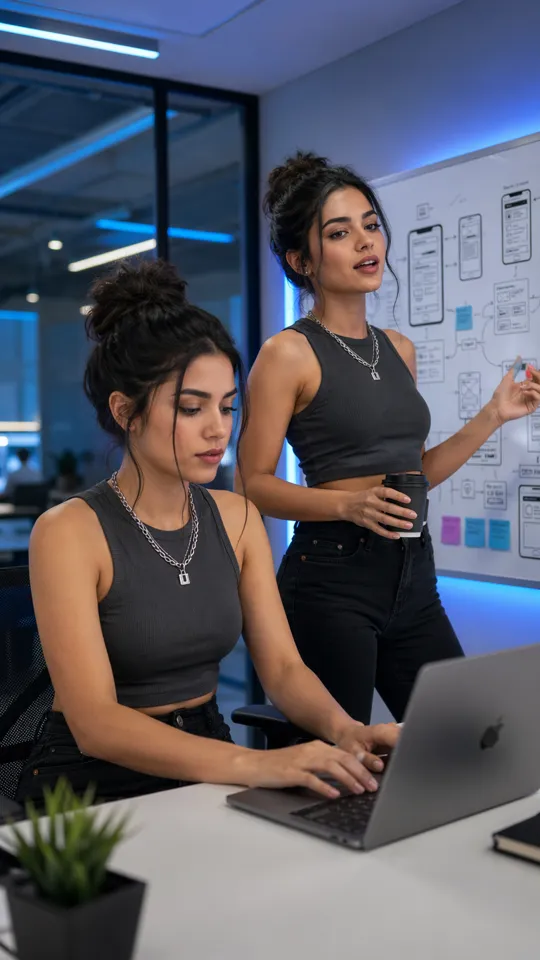
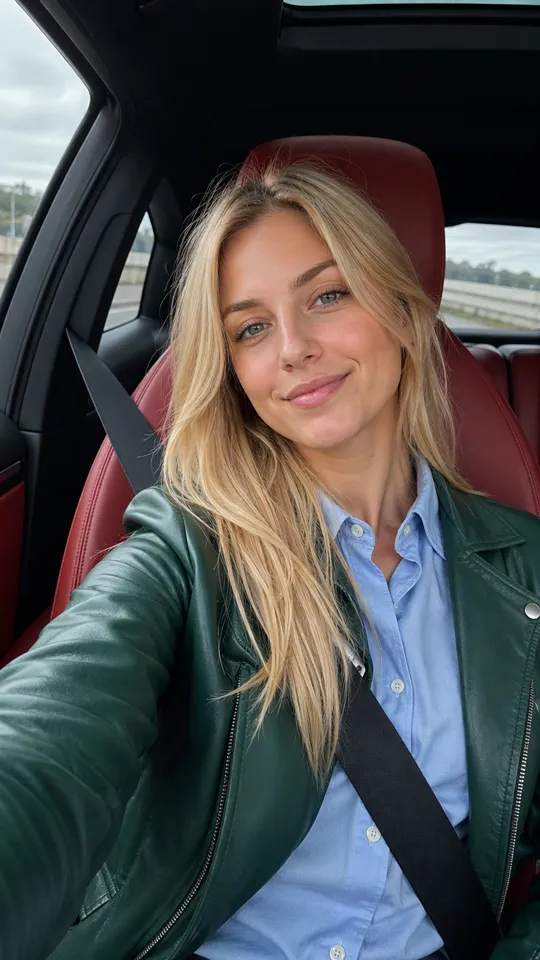
People-focused creatives: With a 9.5/10 human realism score, faces, hands, skin textures, and clothing hold up under close inspection. UGC-style creator ads, talking-head stills, lifestyle portraits, and people-in-product scenes all land convincingly without the usual AI tells.
Prompt-heavy briefs: The 9.5/10 prompt accuracy score means detailed, multi-clause prompts — specific poses, props, materials, camera angles, lighting — get respected. If you already know exactly what the image should look like, GPT Image 2 turns that spec into the image more reliably than anything else we tested.
Where to use cheaper or faster models: High-volume A/B testing (use Nano Banana 2 for faster generation at the same cost), lowest-cost bulk variations (use Seedream v4.5 at ~50% the credits), and workflows where sub-5-second generation is the binding constraint.