Seedance 2.0 Fast Motion-driven ads that stay consistent

ByteDance's multimodal AI video model — #1 on motion physics, tied #1 on scene consistency. Seedance 2.0 Fast handles object interaction, action sequences, and multi-shot narratives that other models cannot hold together. Weak on human generation — for people-heavy ads use Kling O3.

Avg quality

8.2/10

Gen speed

7.0/10

Cost efficiency

5.5/10

Try Now

See Examples By Niche

All videos generated with start frames at 720p, 6s, 9:16 — raw AI output across 10 niches, same prompts used across models, no post-processing. Just compressed for web optimization.

AI-generated AI Influencers video example

Why Seedance 2.0 Fast for your ads

Top-tier motion physics and scene consistency across shots — plus the one limitation to know before you generate people. An honest take based on real benchmark scores.

  • #1
    9.0/10Motion & Physics

    #1 Motion & Physics

    Scored 9.0/10 on motion & pacing — the highest in our lineup. Weight, gravity, and multi-subject interactions hold up where other models produce floating limbs or glitchy collisions. Ideal for action, sports, and product-in-use ads.

  • Shot 1
    Shot 2
    Shot 3
    #1
    9.0/10Scene Consistency

    Tied #1 Scene Consistency

    Scored 8.5/10 on scene consistency — tied with Kling O3 for the top spot. Environments and objects stay stable across shots, so you can stitch multiple 15-second clips into a 60+ second narrative. Human identity across shots is less reliable due to strict generation rules.

  • “Realistic”
    Cartoon-style
    7.0/10Human Realism · weak spot

    Cartoon-Leaning Human Rendering

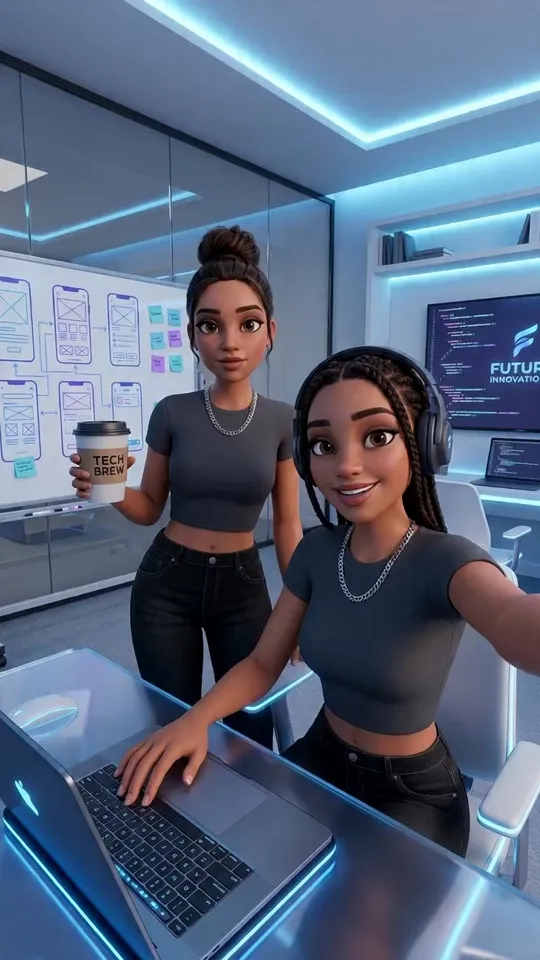
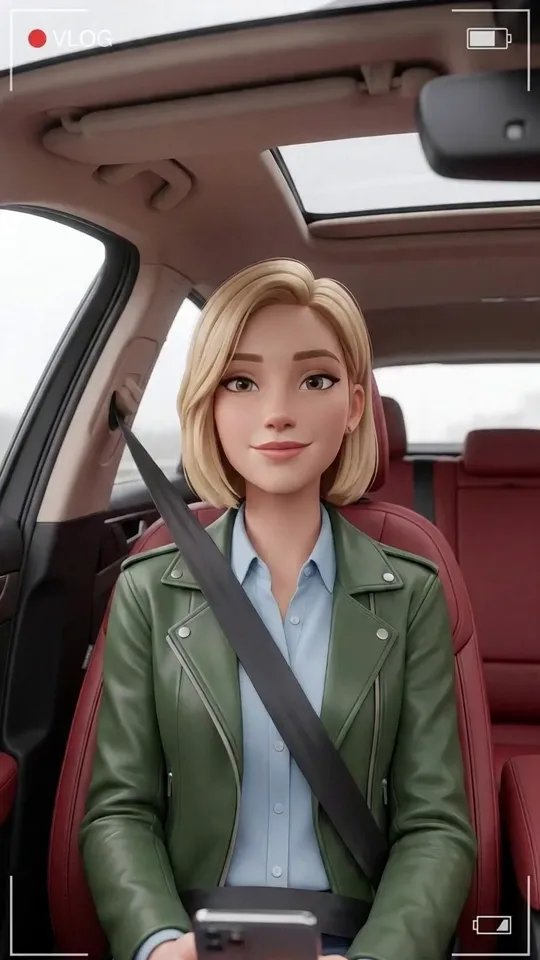
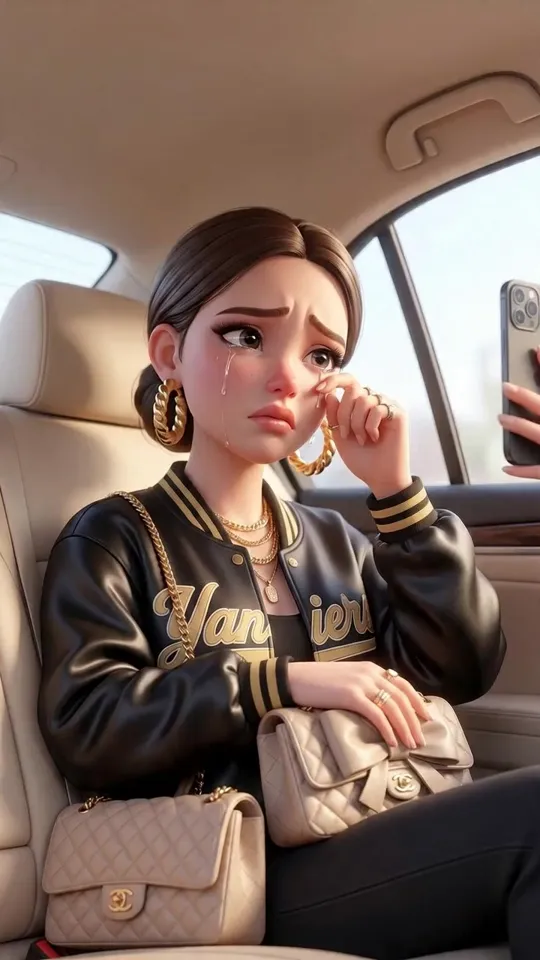
    When you prompt for a photorealistic human, Seedance often outputs a cartoon/stylized version instead. The model's human generation defaults to an animated look that breaks immersion in photoreal ads. For realistic human ads, use Kling O3.

Seedance 2.0 Fast Performance Scores

See exactly how Seedance 2.0 Fast performs across the metrics that matter for real ad production — from motion physics to cost per creative.

Product ShotsHuman RealismMotion & PacingScene ConsistencyPrompt AccuracyVisual Quality
8.2avg quality

Generation Speed

7.0/10

Cost Efficiency

5.5/10

Total Ad Score

7.5/10

Community Head-to-Head Scores

Independent Elo ratings from head-to-head community voting — complementary to our ad-specific benchmarks.

Elo Rating

1,346

Leaderboard Rank

#2

Votes

4,920

Source: Artificial Analysis · Updated Apr 2026

Conclusion

When your ad is motion-first and subjects are objects or products, Seedance 2.0 Fast is the strongest pick. Physics, action sequences, and multi-shot narratives hold up where other models glitch. The tradeoff: human rendering defaults to a cartoon/stylized look — use Kling O3 for realistic human ads, Veo 3.1 Fast for static product hero shots.

Compare Other Models

See how Seedance 2.0 Fast compares head-to-head against other AI video models.

All Model Rankings

Side-by-side specs, scores, and pricing so you can pick the model that delivers the best ROI for your ad spend.

AI video model comparison — quality, speed, cost, and total scores
#ModelAA EloArena EloQuality AvgSpeedCost Eff.TotalView
1Kling O31,2821,3578.47.57.08.0View Model
2Veo 3.1 Fast1,2711,3838.37.06.07.7View Model
3Seedance 2.0 Fast1,3461,4548.27.05.57.5This page
4Veo 3.1 Lite6.78.59.07.3View Model
5LTX 2.3 Pro1,1566.19.08.56.9View Model

Last updated: April 17, 2026

What Is Seedance 2.0 Fast?

Seedance 2.0 Fast is ByteDance's multimodal AI video generation model, launched in April 2026 as the successor to Seedance 1.5 Pro. It uses a unified audio-video architecture that treats text, images, video clips, and audio as a single multimodal prompt — letting you compose a shot the way a director would brief a crew.

It generates 4 to 15 second clips at up to 1080p in six aspect ratios (16:9, 9:16, 4:3, 3:4, 21:9, 1:1) and costs 10 credits per second — one credit below Veo 3.1 Fast. As of April 2026, it holds the #2 spot (ELO 1346) on the Artificial Analysis Video Arena leaderboard for image-to-video.

What makes it different is the physics. Its +31.7 point gain on the Megaton physics benchmark over Seedance 1.5 Pro is the largest generational jump any video model has posted in 2026. Object interactions — unboxing, an athlete performing an exercise, liquid pouring into a glass — hold up where other models introduce floating limbs, collision glitches, or identity drift. The one notable weakness: human generation. When you prompt for a photorealistic person, Seedance frequently defaults to a cartoon/stylized rendering instead — an animated-looking face that breaks immersion in realistic ads. We hit this repeatedly during benchmarking, and prompt engineering rarely recovers the photoreal look.

Best Ad Types for Seedance 2.0 Fast

Seedance 2.0 Fast's advantage shows up anywhere motion is part of the story. Based on our benchmarks across 10 ad niches, here is where it pulls ahead of the field — and where other models are the smarter pick.

Single-subject narrative ads with objects: This is Seedance 2.0 Fast's signature use case. Story-driven creatives where one person walks into a scene, uses a product, reacts, and walks out — the model keeps the subject's outfit, products, and environment stable across the full arc. Its 8.5/10 scene consistency score (tied with Kling O3) means you can stitch multiple 15-second clips into a 60+ second ad without visible cuts in setting.

Product-in-use and demo ads: Hands using a tool, a drink being poured, a sneaker being laced, a tech gadget being assembled. Seedance's physics (9.0/10 motion score) means objects have weight, liquids fall correctly, and contacts between hands and products look real. Competitors either float objects or produce the rubber-hand effect that signals AI instantly.

Sports, action, and environmental motion: Sports sequences, driving, running, dance solos — anything with body motion or environmental interaction (wind, water, impact) renders with a level of physical coherence no other model matches. Caveat: the human in the shot tends to render in a cartoon/stylized look, so the action is believable but the face often is not.

Where Seedance is the wrong choice: Any ad needing a photorealistic person — the model defaults to a cartoon/stylized human aesthetic even when prompted for realism. Use Kling O3 (9.0 human realism) for any realistic-human content. Static product hero shots where surface detail is the sell — use Veo 3.1 Fast. High-volume A/B testing on a tight budget — use Veo 3.1 Lite (4 credits/sec).

How to Create Motion-Driven Ads with Seedance 2.0 Fast

1

Lead with action in your prompt

Seedance rewards verb-first prompts. Instead of "a woman in a kitchen with a smoothie," write "a woman pours a green smoothie from a blender into a glass, the liquid swirls as it fills, she lifts the glass to her lips in a modern white kitchen." The motion is the thing the model is best at — describe it explicitly.

2

Use the multimodal reference system

Feed reference images for character, product, and environment separately. The @mention syntax lets you say things like "@person walks past @storefront holding @product" — keeping brand, talent, and setting consistent across multiple ad variations. This is where Seedance 2.0 Fast has the biggest control advantage over any competitor.

3

Generate 2-3 variations per concept

At 10 credits/sec, a 6-second clip costs 60 credits. Do not mass-generate — Seedance has a high success rate (80-90% usable outputs per ByteDance's benchmarks) for object- and motion-focused prompts, so 2-3 variations usually surface a strong pick. Review for motion coherence, physics correctness, and (if humans are in the shot) whether the face renders photoreal or drifts into a cartoon/stylized look — the most common failure mode.

4

Stitch long-form ads from consistent shots

For 30 to 60-second ads, generate 2-4 sequential 15-second clips using the same reference images. The scene consistency score (8.5/10) is high enough that viewers do not notice the cuts if you match camera angles and lighting descriptions across clips. Object- and environment-focused stitching is the strength; human continuity across shots is less reliable.

5

Layer branding and voice in post

Seedance generates native audio, but for paid ad performance you will typically want a scripted voiceover. Mute the generated audio, layer a professional voice track in CapCut or your editor, and add logo, headline, and CTA overlays. The underlying visual motion is where Seedance earns its credit cost — treat audio and text as post-production layers.

Prompting Tips for Seedance 2.0 Fast Ads

  1. Describe motion as a verb sequence. “Grabs, pours, lifts, drinks” produces stronger output than a static scene description. Seedance's model rewards explicit action chains because its motion physics is the feature most other models lack.
  2. Anchor the physics in your prompt. “The liquid has visible weight, the bottle makes contact with the surface, the person's arm carries the effort of the lift” — language like this steers the model toward its strongest capability. Vague descriptions leave quality on the table.
  3. Use image references for brand assets. Drop in product photography and brand talent reference images via the multimodal system. Seedance keeps those exact colors, packaging, and faces across the clip far better than any text prompt can describe. Critical for hero creatives.
  4. Plan multi-shot ads upfront. If you are building a 30+ second ad, write all your shots at once using the same reference set. The scene consistency advantage disappears if you generate shots days apart with different prompts — keep the session and the references in one batch.
  5. Specify camera direction. “Tracking shot following the subject from the left,” “slow push-in on the product,” “handheld shake during action.” Seedance's director-level control means camera moves are a reliable lever, not a lottery ticket like in older models.
  6. Keep talking heads on Kling. If your ad is a static person speaking to camera, Kling O3's 9.0 human realism still wins on micro-expressions and lip sync. Use Seedance when the person is doing something — walking, exercising, demonstrating, performing.
  7. Avoid photoreal human prompts. Seedance's human generation defaults to a cartoon/stylized aesthetic — even when you prompt for a “photorealistic person,” the model often outputs an animated-looking face. Prompt engineering rarely fixes this. If your ad needs a realistic human, regenerate on Kling O3. Save Seedance for objects, products, and environmental motion.

Frequently Asked Questions

What is Seedance 2.0 Fast?

Seedance 2.0 Fast is ByteDance's multimodal AI video generation model, released in April 2026. It uses a unified audio-video architecture that accepts text, images, videos, and audio references in a single prompt, and generates clips from 4 to 15 seconds at up to 1080p. It ranks #2 on the Artificial Analysis Video Arena leaderboard (ELO 1346) for image-to-video quality.

How is Seedance 2.0 Fast different from Veo 3.1 Fast?

Seedance 2.0 Fast costs 10 credits per second vs Veo 3.1 Fast's 11 — and they solve different problems. Seedance 2.0 Fast leads on motion physics (9.0/10) and ties on scene consistency (8.5/10), so it is the model for narrative, action, and product-in-use ads. Veo 3.1 Fast leads on human realism (8.5/10) and prompt accuracy (8.5/10), so it is the stronger pick for talking-head ads and prompt-heavy staging. Pick Seedance when objects and motion are the focus; pick Veo Fast when a person is the focus.

What types of ads look best with Seedance 2.0 Fast?

Seedance 2.0 Fast excels at anything with motion and objects: product-in-use demos, sports and fitness content, driving and action sequences, unboxing, and multi-shot ads stitched into longer stories. Its physics simulation handles weight, gravity, and collisions where other models produce floating or glitchy motion. For any ad that needs a photorealistic person, choose Kling O3 instead — Seedance's human generation defaults to a cartoon/stylized look even when you prompt for realism.

Why does Seedance 2.0 Fast struggle with generating people?

Seedance's human generation defaults to a cartoon/stylized aesthetic. When you prompt for a photorealistic person — a real-looking face, natural skin, photoreal lighting — the model often outputs an animated-looking face instead. We hit this repeatedly across our benchmark runs: the style bias is strong enough that prompt engineering rarely recovers a true photoreal look. Human realism scores 7.0/10 — below Kling O3 (9.0) and Veo 3.1 Fast (8.5). The tradeoff is Seedance's 9.0 motion physics lead. For realistic human ads, use Kling O3; for object- and action-heavy ads, Seedance is still the strongest pick.

Seedance 2.0 Fast vs Kling O3 — which should I choose?

Kling O3 wins on pure talking-head realism (9.0/10 human realism vs Seedance's 7.0/10) — so for UGC-style selfie videos, testimonials, AI influencers, or any ad with people, Kling is the safer pick. Seedance 2.0 Fast wins when objects are in motion: walking hand demonstrating a product, driving sequences, sports action, exercise, unboxing. The gap between the two on motion physics is 0.5 points in Seedance's favor; the gap on human realism is 2 full points in Kling's favor.

What is the multimodal reference system?

Seedance 2.0 Fast accepts up to 9 reference images, 3 video clips (up to 15 seconds each), and 3 audio clips per generation — plus an @mention syntax to assign each asset a role (character, style, environment, motion). No other model we tested offers this level of compositional control in a single prompt. It is especially useful for maintaining brand consistency across ad variations.

Can I use Seedance 2.0 Fast for TikTok and Instagram Reels?

Yes. Seedance 2.0 Fast outputs in 9:16, 16:9, 4:3, 3:4, 21:9, and 1:1 formats at up to 1080p. The 9:16 1080p output matches TikTok and Instagram Reels specs exactly. Its native audio generation is also a fit for short-video platforms where sound-on viewing is common.

Can I use Seedance 2.0 Fast videos in paid ads?

Yes. Videos generated with Seedance 2.0 Fast can be used commercially, including in paid advertising on TikTok, Meta, YouTube, Snapchat, and other platforms. There are no additional licensing fees beyond the generation credits.

How long are Seedance 2.0 Fast video clips?

Clips are 4 to 15 seconds long — longer than most competitors, which top out at 8 seconds. For longer ads, Seedance can generate consistent multi-shot sequences: multiple 15-second clips that preserve character identity and environment, which you can concatenate into a 60+ second narrative ad without visible seams.

More AI Models

Explore guides for AI models built for ad creation.

All Models

Everything you need,
plus exclusive bonuses

Get the full AI ad creation toolkit — courses, prompt packs, and a community of creators scaling with AI.

  • AI Ads Factory Course
  • 100+ AI Creator Prompt Pack
  • AI Virality Blueprint
  • AI Coding Course
Get Early Access